
Buying dancewear
How to Judge the Condition of Used Dancewear
Condition labels are subjective unless you define them. Learn to inspect wear, test fasteners, photograph flaws and write a fair dancewear description.
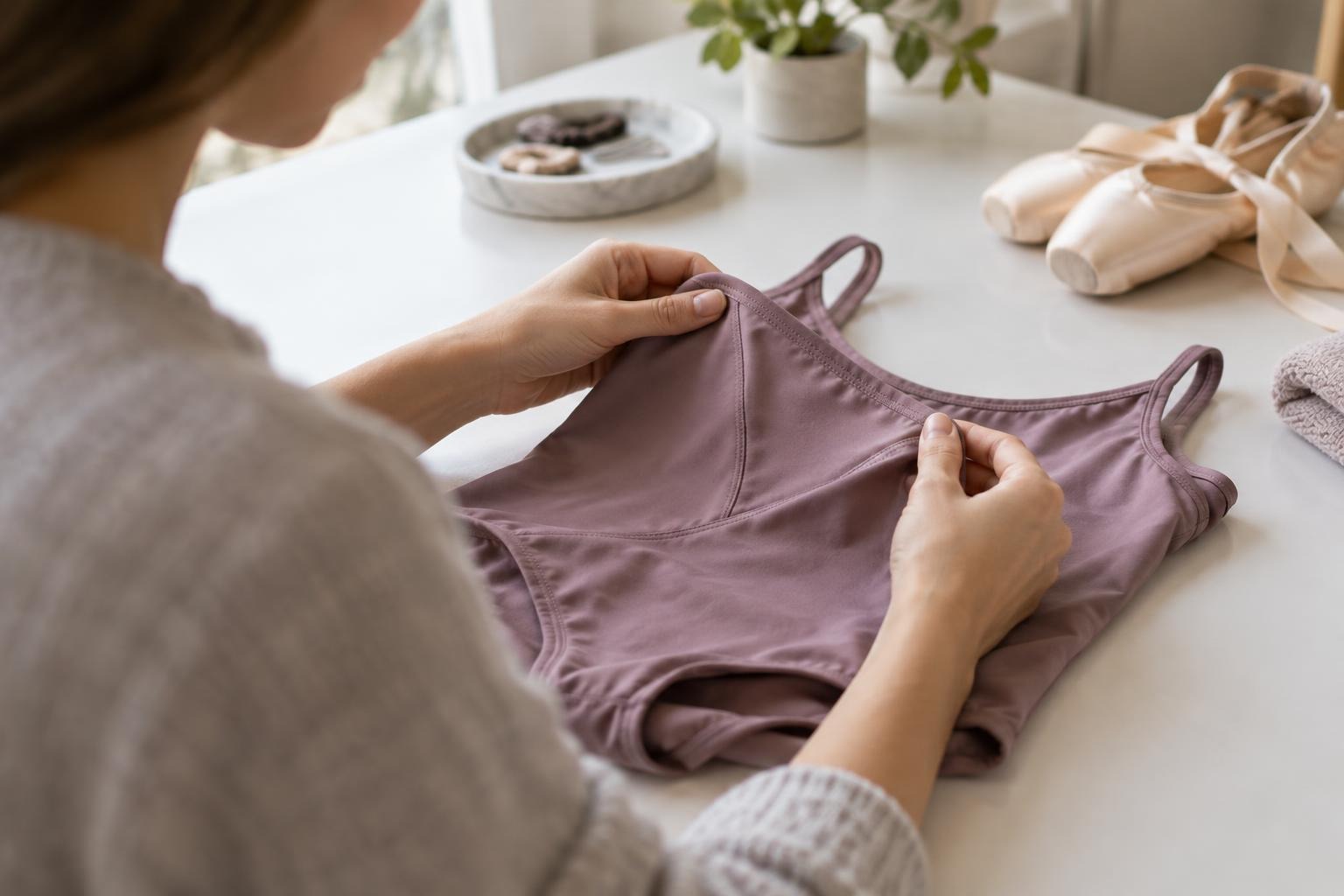
“Good condition” can mean different things to different sellers. One person may focus on whether a garment is clean; another may mean that it has no visible wear. Buyers need more than a label. A useful assessment explains what was inspected, what is included and which signs of use remain. That is especially important for dancewear, which may stretch, carry attached trim, or be worn close to the skin. A consistent checklist makes it easier to decide whether an item is worth buying, and it helps sellers describe a garment without overstating what they know.
Use a repeatable inspection order
Begin with the overall appearance in bright, even light. Check front, back, inside and seams rather than only the most visible surface. Look for pilling, fading, pulls, holes, thinning areas, stains and discoloration. Stretch fabric gently within its normal range, without tugging it to the point of damage, and notice whether it returns to shape. Inspect straps, elastic, hems and closures. A costume with sequins, stones or other trim needs a separate check for missing pieces and loose stitching. Note the location and size of each issue while it is in view.
Then inspect the parts that affect use. Do fasteners close smoothly? Are hooks, snaps, ties or zippers secure? Do seams appear intact where movement puts them under tension? Is the lining attached? A small cosmetic mark may be acceptable to one buyer, while a failing closure or weakened seam could make the garment unsuitable. Avoid treating every issue as equal; describe the practical effect instead. If a detail cannot be tested safely, say that it was not tested rather than implying that it works.
Describe cleanly, without promising hygiene
State whether an item has been washed according to its care instructions and whether it is dry and ready to store. Do not promise that used fabric is sterile or suitable for every wearer. A seller may not know how a previous owner handled or stored an item. Mention visible odor, staining, smoke exposure or damp storage if known. For a buyer with allergies or sensitive skin, the safest response is to ask the relevant questions and make an individual choice. Avoid fragrance as a substitute for cleaning; it can obscure an odor and may bother another person.
Read the garment’s label before washing or spot-treating. If the label is missing, the fabric is delicate or the trim is complicated, be conservative. A listing should not imply that a stain will definitely come out after purchase. If you try a cleaning method and it changes the fabric, describe that result. Clear information is more useful than a general phrase such as “freshly cleaned,” especially when materials and sensitivities differ.
Make photographs part of the condition report
Take a full front and back view, then close-ups of the size or maker label, seams, closures, interior and each flaw. Photograph under neutral light so color is not exaggerated. Place the garment flat or on a hanger that shows its shape. Avoid stretching it unnaturally or pinning it in a way that hides worn areas. A close photo can make a flaw look larger than it is, so include both the detail and a wider view that shows where the flaw sits. These views help a buyer understand scale and context.
Use the same photos to check your written description. If you mention a tiny repair, make sure the image points to the repair. If the back of the item has wear, do not post only the front. Photograph every included accessory separately and identify anything that is not included. When an image contains another dancer or a studio setting, crop or retake it to protect privacy and keep the garment in focus. Do not use an old promotional photograph as if it showed the actual item for sale.
Choose a fair condition vocabulary
A seller can use a short rating system, but each label should have a clear definition. For example, “new with tags” should mean the tags remain attached, while “very good” could mean clean and fully usable with only minor visible wear. “Good” might indicate ordinary use or a disclosed repair; “fair” might describe a piece with noticeable wear that remains usable for a stated purpose. These are examples, not universal standards. The exact meaning belongs in the listing, along with the observed facts. A rating never replaces photos or a flaw-by-flaw description.
Use cautious language for anything you cannot verify. Instead of saying “never worn” because the garment looks new, say “no visible wear found during inspection” if that is what you know. Instead of promising a particular fit, list the marked brand and size and provide measurements if taken. Avoid medical, safety or durability claims. A seller can describe an item’s appearance and history; the buyer decides whether that information suits their needs.
Look at the whole purchase, not a single rating
Buyers should compare the description with every photo and ask about details that matter to them. Check the maker’s label and use that brand’s own guidance; labels are not interchangeable across manufacturers. Consider the cost of shipping, any repairs and the likelihood that the piece suits the dancer. Do not rush because a listing says “rare” or “last chance.” If the seller will not show a flaw or answer a reasonable question, there are other pieces to consider.
For an order through Costumio, review the current purchase and delivery steps and returns and buyer protection before checkout. The site explains that payment is held until delivery, with an additional period to report a problem. Keep the listing and message history, then compare the delivered garment with what was shown. Current platform fees and shipping details are on the fees page.
A condition checklist for buyers and sellers
- Inspect fabric, seams, straps, closures, lining and decoration in bright light.
- Record stains, repairs, missing pieces, odor or storage issues that are known.
- Show the front, back, label, interior, accessories and flaws in actual-item photos.
- Define condition labels and avoid claims that cannot be verified.
- Compare the garment with its own brand information and read current marketplace terms.
Condition is not a mystery when it is described in specific, observable terms. Buyers can ask better questions, and sellers can set realistic expectations before shipping. If you are ready to browse or pass along a piece, Costumio is a place to find pre-loved dancewear listings with photos and condition details.
More from the blog
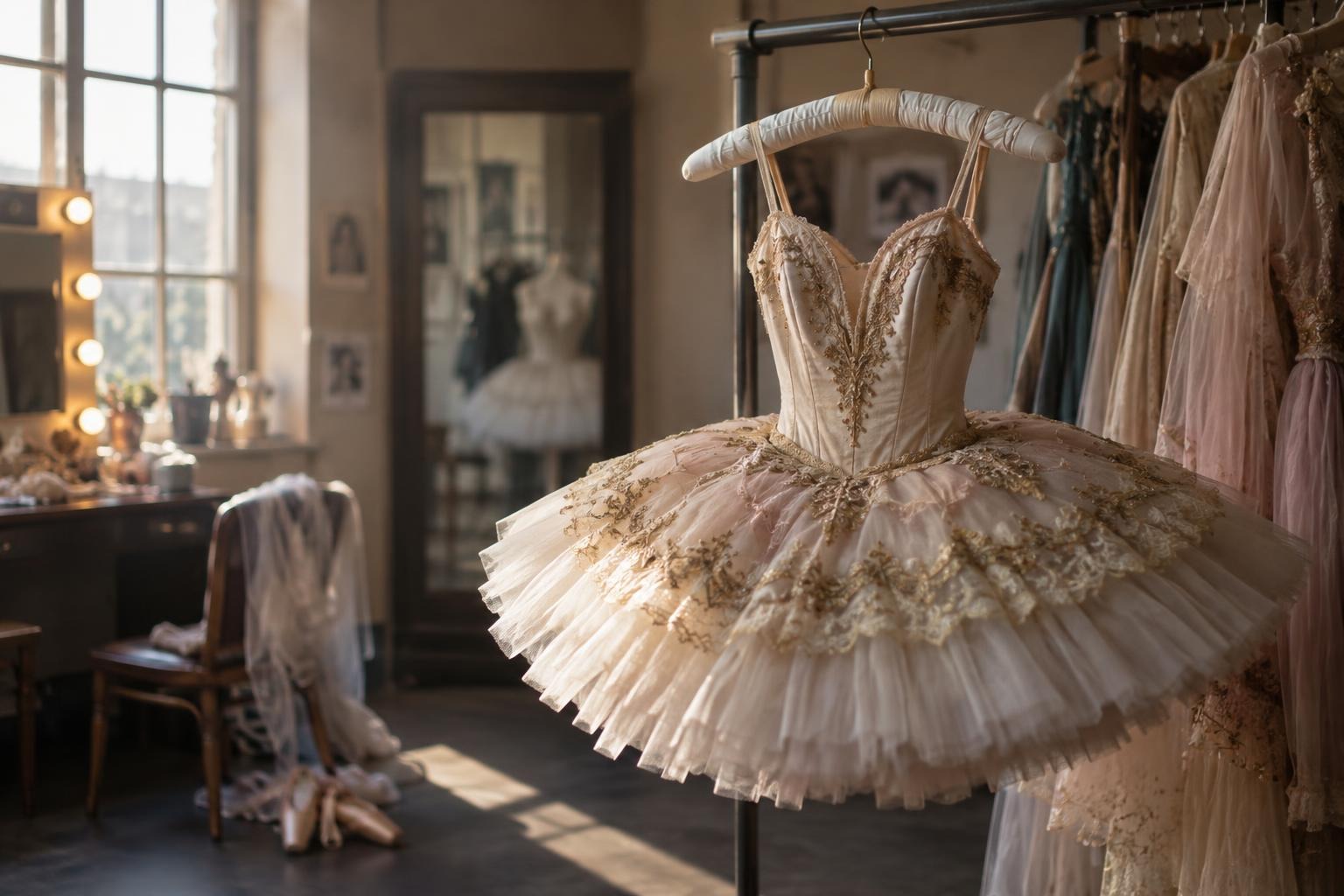
Giving Nutcracker Costumes a Second Life
Before Nutcracker costumes leave storage, sort, inspect and photograph them carefully. This guide helps studios decide what to keep, repair, donate or resell.
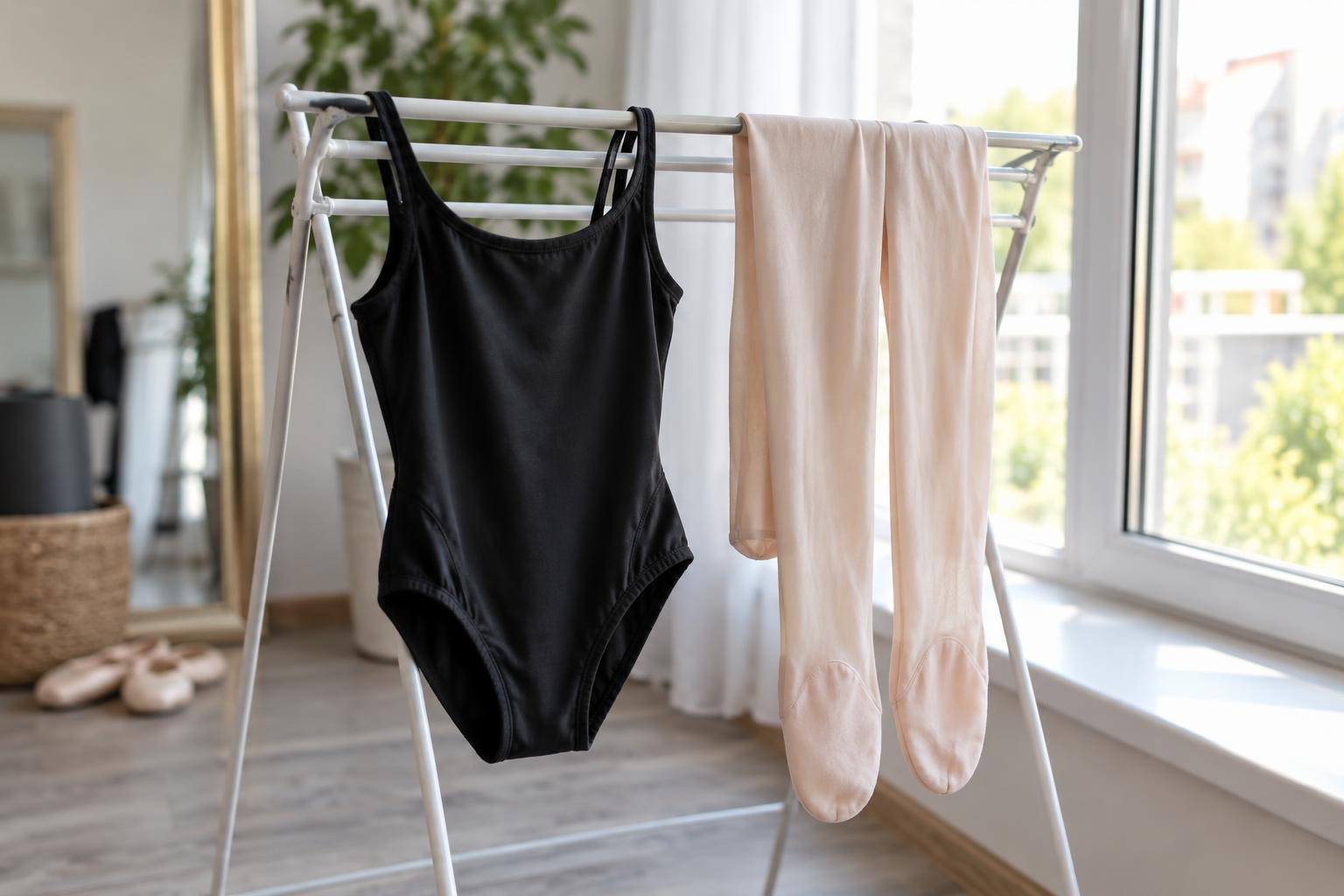
Caring for Leotards and Tights So They Last Longer
Simple care habits can help leotards and tights stay presentable through a busy season. Follow garment labels and adjust washing to fabric and trim.
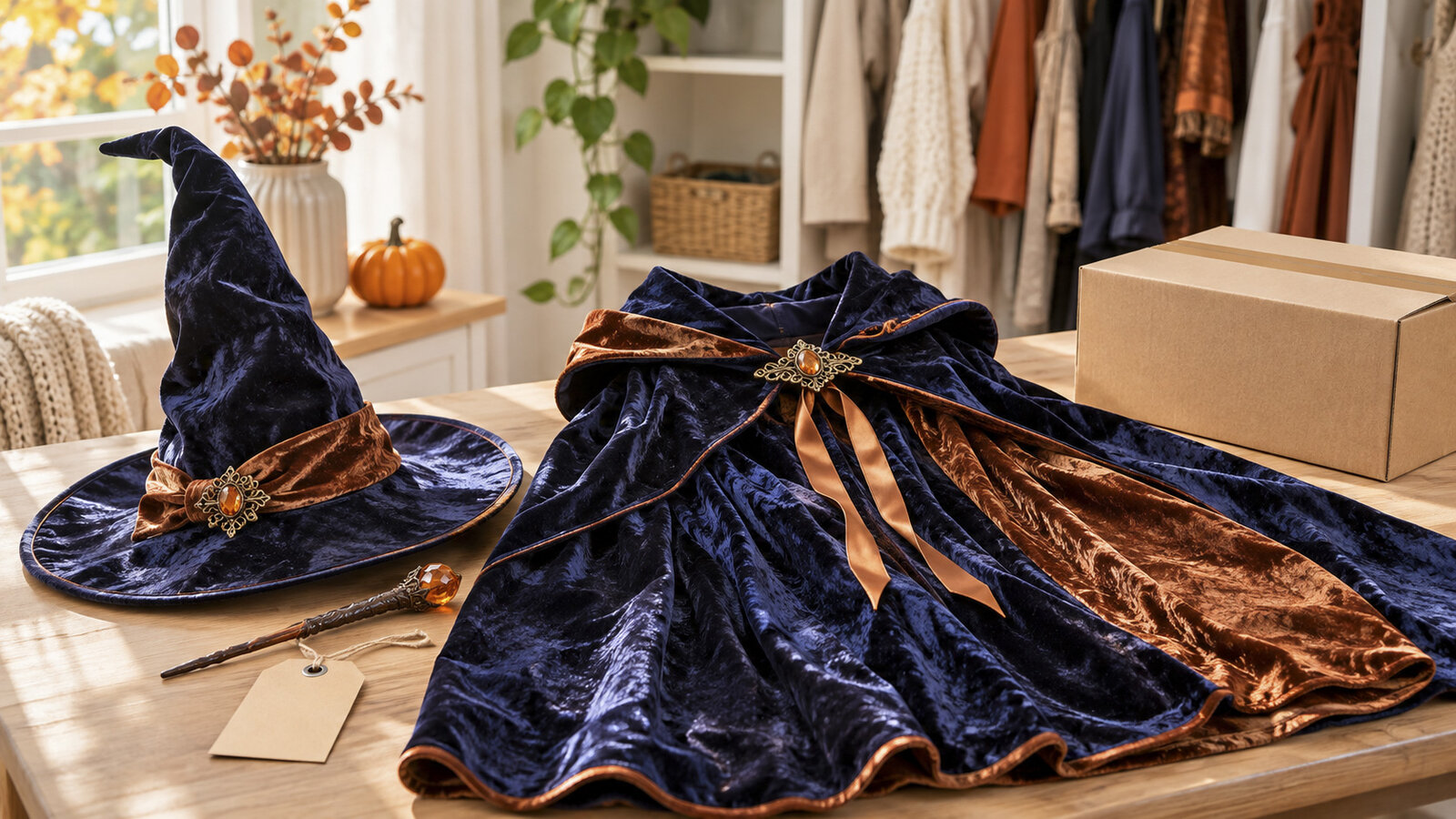
Don't Let Your Halloween Costume Become Closet Clutter: Turn Last Year's Costume into Cash
Every year, millions of Halloween costumes are worn once, tossed into a closet, and forgotten until the next round of seasonal cleaning.