
Dancewear care
Caring for Leotards and Tights So They Last Longer
Simple care habits can help leotards and tights stay presentable through a busy season. Follow garment labels and adjust washing to fabric and trim.
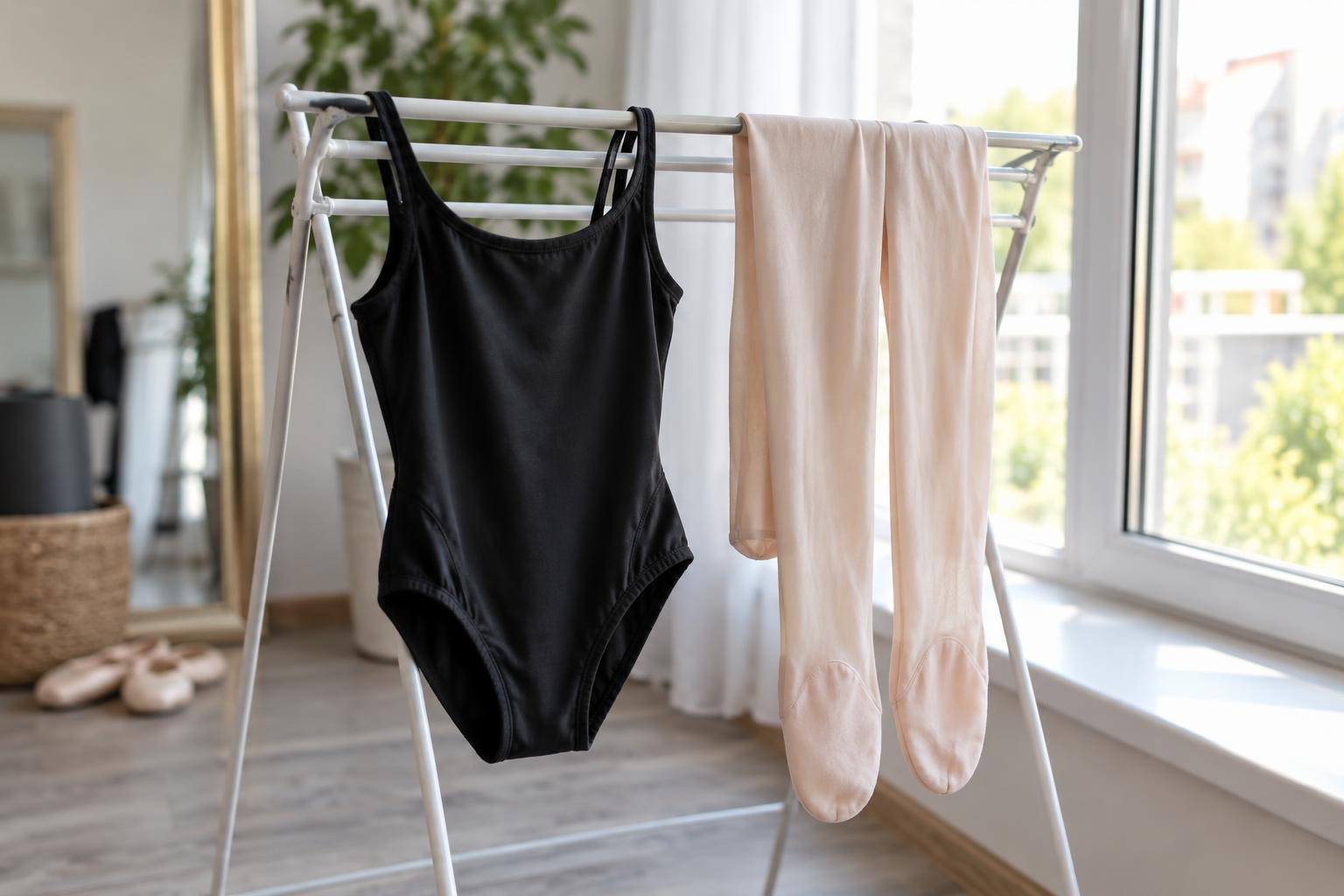
Leotards and tights are worn close to the skin, washed often and carried between home, school and studio. A few careful habits can keep them comfortable and presentable, but there is no single wash method for every fabric. Stretch fibers, dyes, mesh, velvet, metallic trim and attached decorations respond differently to water, detergent and heat. Start with the care label on the garment, then consider how it is constructed. If a label is missing or the fabric is unusual, test a conservative approach or ask the maker before applying heat or stain treatment.
Separate garments before they reach the machine
After class, take damp clothing out of the dance bag instead of leaving it rolled in a corner overnight. Let it air out before washing, especially if it is not going straight into laundry. Keep dark and light colors separate when a new garment may release dye, and fasten hooks or zippers so they do not catch delicate knit fabric. Turn pieces inside out when the label permits; this can reduce abrasion on the visible surface. A mesh wash bag may help protect straps and trim, but it does not replace the care instructions.
Do not overload a wash. Garments need room to move without rubbing against rough items such as towels with hooks, jeans or bags with zippers. Wash tights with similar delicate items and check that no jewelry, pins or hair clips remain in pockets or wrapped in the fabric. If a costume or leotard has sewn-on decoration, inspect it before and after cleaning. A loose sequin can snag another garment and a small repair is easier before it becomes a larger tear.
Use a gentle, label-approved wash
Follow the care label’s water temperature and cycle. When hand washing is permitted, use a clean basin and mild detergent intended for delicate clothing, dissolve it first, and move the garment gently rather than scrubbing or twisting. Rinse until the water is clear. For machine washing, select a gentle cycle only if the label allows it and use a small amount of suitable detergent. More soap is not automatically better; leftover residue can affect feel and attract dirt. Avoid bleach, fabric softener or stain removers unless the garment maker specifically says they are safe.
For a spot, blot rather than rub. Try cool water on a hidden area first and stop if color transfers or the fabric changes. Makeup and body products can be difficult to remove from stretch fabric, and aggressive treatment may leave a pale patch or damage elasticity. If the item is valuable, has a complicated finish or carries a special care label, ask a qualified cleaner or the manufacturer. Never combine cleaning products or assume that a household trick is safe for every dye and fiber.
Dry without stretching or overheating
Check the label before using a dryer. Many stretch dance garments benefit from air drying, but the right method depends on the garment. Press excess water gently in a clean towel without wringing. Lay a piece flat or hang it from a broad, smooth hanger if the label permits. Thin straps can stretch under the weight of a wet garment, so support the body rather than pulling on the straps. Keep garments away from radiators, direct high heat and strong sunlight unless the care instructions say otherwise.
Let every piece dry fully before folding it or putting it away. Damp fabric stored in a closed bag can develop odor or mildew. If a garment still smells after washing, do not mask it with fragrance; check whether it dried fully and whether the care label allows another wash. Tights can snag while being handled, so smooth them out gently and avoid sharp nails, jewelry and rough surfaces. A small tear may grow quickly with repeated pulling.
Store and transport with care
Keep clean garments separate from used shoes, wet towels, rosin and cosmetics in a dance bag. A washable pouch for tights and a separate compartment for damp items make post-class sorting easier. At home, store pieces fully dry and out of direct sunlight. Avoid crushing a decorated leotard under heavy equipment. If a garment has an unusual shape or fragile trim, follow the maker’s storage advice rather than pressing it into a small drawer.
Label personal items discreetly with a name on an interior tag or washable label, not on the garment’s visible surface. Before a performance, try on the full outfit early enough to discover an ill-fitting strap or missing accessory. Keep a small repair kit for loose threads and closures, but do not make a repair that conflicts with studio costume rules. Routine checks help catch issues before they matter on stage.
Care can make resale more straightforward
If a dancer has outgrown a piece, make sure it is clean and completely dry before photographing or listing it. Describe the label, fabric feel, stretch, alterations and any remaining wear, but do not promise a fit based on the former wearer. Good care cannot erase normal use, and an honest condition description is more helpful than calling every item “like new.” When buying pre-loved garments, ask the seller how the piece was stored and inspect photos of the actual item.
Costumio is a marketplace for pre-loved dancewear. Its how-it-works page explains its listing and delivery steps, and the shop lets families browse available pieces. Check the current buyer-protection information before ordering. A clear listing and a garment cared for according to its own label make the next owner’s decision easier.
A quick laundry routine
- Empty and air out the dance bag after class; separate damp items from clean ones.
- Read labels, fasten closures, separate colors and use a mesh bag only when appropriate.
- Choose a gentle wash method and detergent allowed by the garment’s care instructions.
- Blot stains, avoid unapproved heat or chemicals, and stop if color or fabric changes.
- Dry completely before storing, then inspect seams, straps and trim before the next class.
Small, repeatable habits are more dependable than a strong cleaning product or a rushed rescue. Check the label, protect stretch and trim, and give garments time to dry. When a dancer is ready to pass a piece along, a clean, accurately described item can be useful to another family.
More from the blog
Giving Nutcracker Costumes a Second Life
Before Nutcracker costumes leave storage, sort, inspect and photograph them carefully. This guide helps studios decide what to keep, repair, donate or resell.
Don't Let Your Halloween Costume Become Closet Clutter: Turn Last Year's Costume into Cash
Every year, millions of Halloween costumes are worn once, tossed into a closet, and forgotten until the next round of seasonal cleaning.
Costume Resale as a Studio Fundraiser
A costume resale fundraiser can give outgrown pieces another dancer and support your studio. Here is a practical plan for inventory, families and payouts.