
Costume care
Giving Nutcracker Costumes a Second Life
Before Nutcracker costumes leave storage, sort, inspect and photograph them carefully. This guide helps studios decide what to keep, repair, donate or resell.
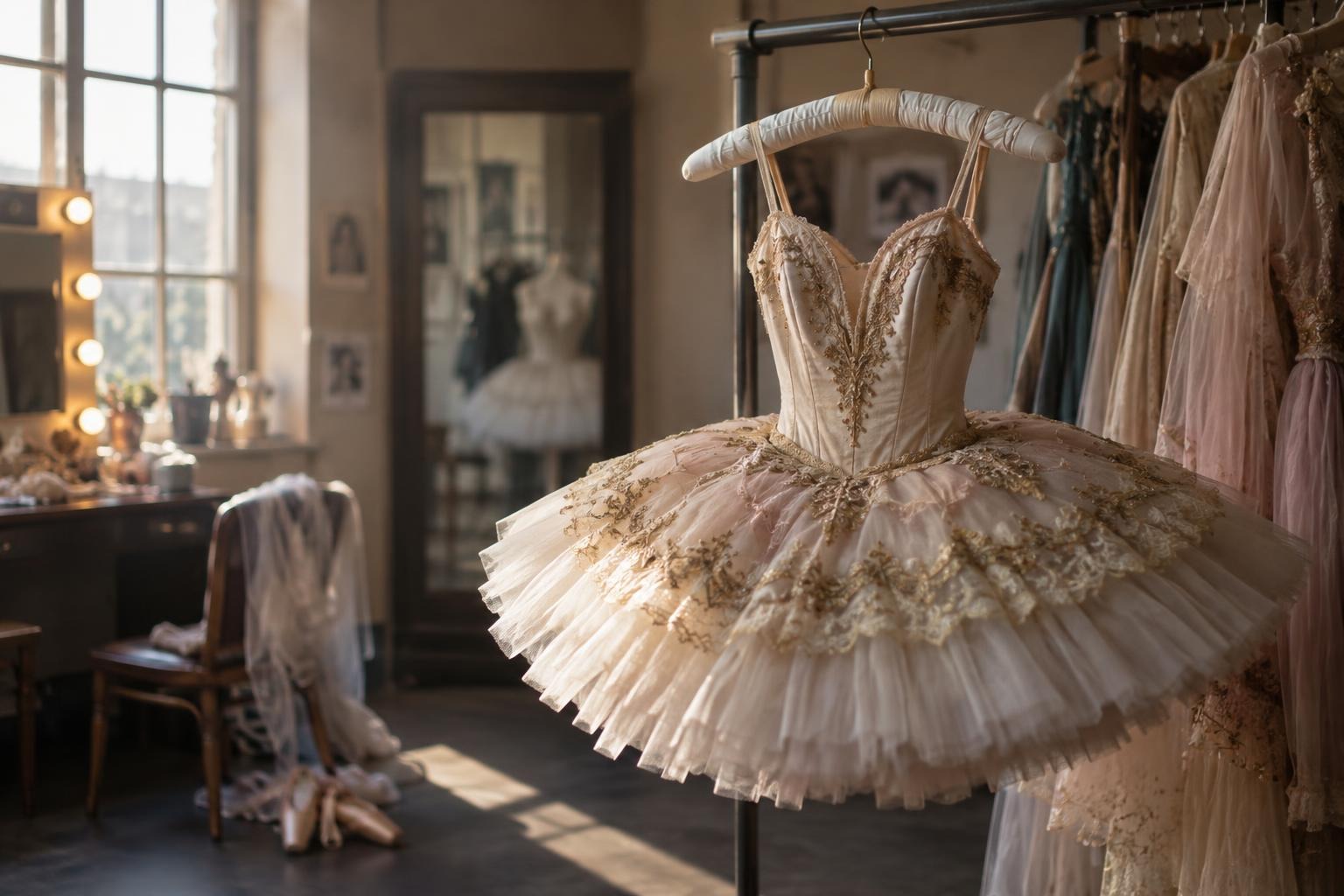
When the final performance ends, Nutcracker costumes often move from backstage to a crowded storage room. Some belong to the studio, some to individual dancers, and some are borrowed from a theater or costume shop. Before anything is cleaned, donated or listed, establish ownership. A costume may be valuable to a future production even if it looks old, and a borrowed garment cannot be resold without permission. A calm post-show inventory lets a studio preserve pieces that still serve the production while identifying items that can responsibly find another dancer.
Sort by owner, role and construction
Start with a written inventory that records the costume name or role, owner, included accessories, storage location and current condition. Use a removable tag or inventory sheet rather than writing on the fabric. Keep studio stock, family-owned garments, borrowed pieces and unknown items in separate groups. Ask the costume designer or production manager which details are essential to the show, such as a matching hat or a specific alteration. A garment that looks interchangeable to a volunteer may be part of a carefully coordinated set.
For each item, decide whether it will be kept for the next production, repaired, returned to its owner, donated or offered for resale. Make those choices with the person who owns it. A written record prevents a costume from being listed simply because it was left backstage. If ownership is uncertain, label the piece as pending and contact the likely owner before moving it to any sale or donation pile.
Inspect before cleaning or repair
Check seams, closures, hems, lining, trim and the area where a dancer may have pinned or altered a piece. Look for makeup, body adhesive, sweat marks, loose stones, missing hooks, snagged mesh and fabric stress. Photograph the item before repair so the original condition is documented. Read care labels and ask the costume maker or a qualified cleaner about delicate, beaded or structured pieces. A general wash can damage a garment with specialty construction, and an untested stain product may affect dye or decoration.
Group repairs by skill and material. Replacing a loose hook may be simple, while rebuilding a bodice or reattaching trim across a large area may require a costumer. Record every alteration and keep original parts when possible. If an item is listed after repair, disclose the work and show the area clearly. Do not describe a repaired costume as untouched, and do not conceal a repair simply because it is hard to see from a distance.
Store pieces so they remain usable
Before storage, ensure garments are clean and fully dry according to their care instructions. Use padded hangers for pieces that can hang safely; support heavy or fragile elements so their weight does not stretch a neckline. Fold structured skirts and delicate trim with clean, acid-free tissue if the costume specialist recommends it. Keep costumes away from damp floors, strong light and pests, and avoid squeezing them into an overfilled box. Attach a simple inventory card and keep accessories together in labeled bags.
Do not assume that a plastic garment bag is appropriate for long-term storage. Materials can trap moisture or encourage creases when a garment is packed tightly. Check the storage area periodically and look for odor, discoloration or loose decoration. If a costume is used next season, recheck it before assigning it to a dancer. A piece that appeared sound in December may need a repair or a new fitting before it returns to the stage.
Prepare a resale listing for the next dancer
If the owner chooses resale, identify the maker or costume collection only when you can do so accurately. Describe the role or style in general terms, specify exactly which pieces are included, and give the tag information without claiming it will fit every dancer. Mention alterations, missing accessories, wear, repairs and any storage history that may matter. Avoid a production’s private cast lists, children’s names or rehearsal details in the description and photos. Make the garment the focus.
Photograph front, back, closures, interior, trim and known flaws against a plain background. Use even light and include close-ups of details a buyer would inspect. Photograph accessories separately so their presence is clear. If you take measurements, explain where they were taken and whether the garment was laid flat. Encourage buyers to compare them with a costume that currently fits. The photos should show the actual item, not an archival production picture or a different costume in the same style.
Understand the transaction and plan the handoff
Costumio says ordinary listings are free, and its current fee is 15% of the item price, with a $3 minimum when an item is priced under $20. Buyers pay shipping; sellers use the prepaid tracked label supplied after a sale. A studio selling its own inventory through a studio account has a published 12% fee, with the same minimum rule. Read the current fee details before choosing a price. The platform’s how-it-works page describes the shipping and buyer inspection steps.
Keep each costume protected while it is listed. Once sold, follow the order instructions, package it so trim and decoration cannot snag, and ship within the time shown in the order. Store the tracking information until delivery. If the item is no longer available, remove the listing instead of letting a buyer pay for something the studio has retained for the next season. A clear chain of ownership and a reliable handoff are part of giving a costume a true second life.
After the show: a practical sequence
- Confirm ownership and separate studio, family, borrowed and unidentified pieces.
- Inventory costumes and accessories before cleaning or making changes.
- Inspect each item, follow its care label and record repairs or missing parts.
- Choose keep, repair, return, donate or resell with the owner’s permission.
- For resale, photograph the actual item, disclose condition and check current platform terms.
A costume’s next chapter should start with good stewardship. The right item may return to the stage, go home with its owner or help another dancer prepare for a performance. If resale is a fit, Costumio offers a place to list pre-loved dancewear and costumes with their details clearly shown.
More from the blog
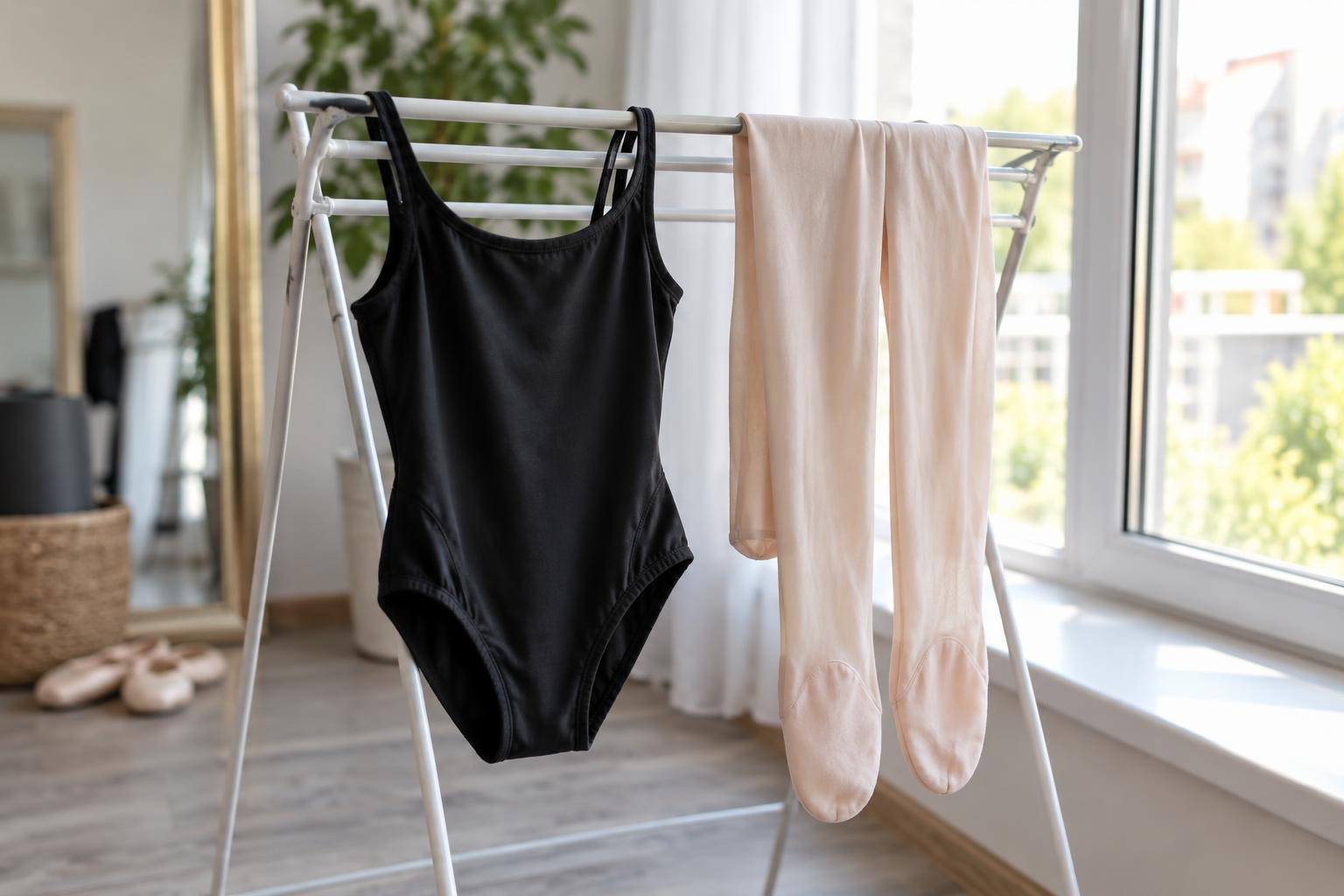
Caring for Leotards and Tights So They Last Longer
Simple care habits can help leotards and tights stay presentable through a busy season. Follow garment labels and adjust washing to fabric and trim.
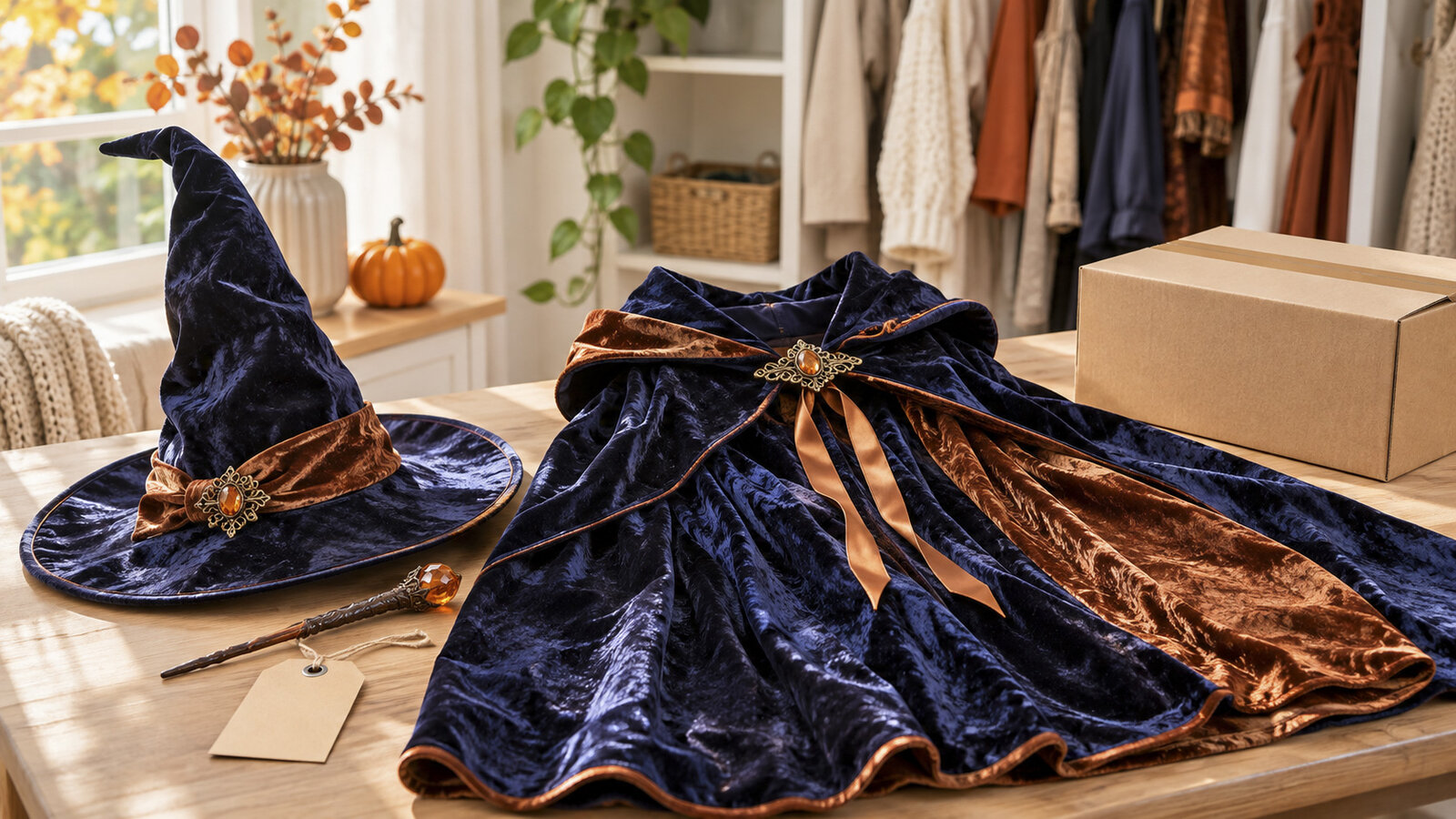
Don't Let Your Halloween Costume Become Closet Clutter: Turn Last Year's Costume into Cash
Every year, millions of Halloween costumes are worn once, tossed into a closet, and forgotten until the next round of seasonal cleaning.
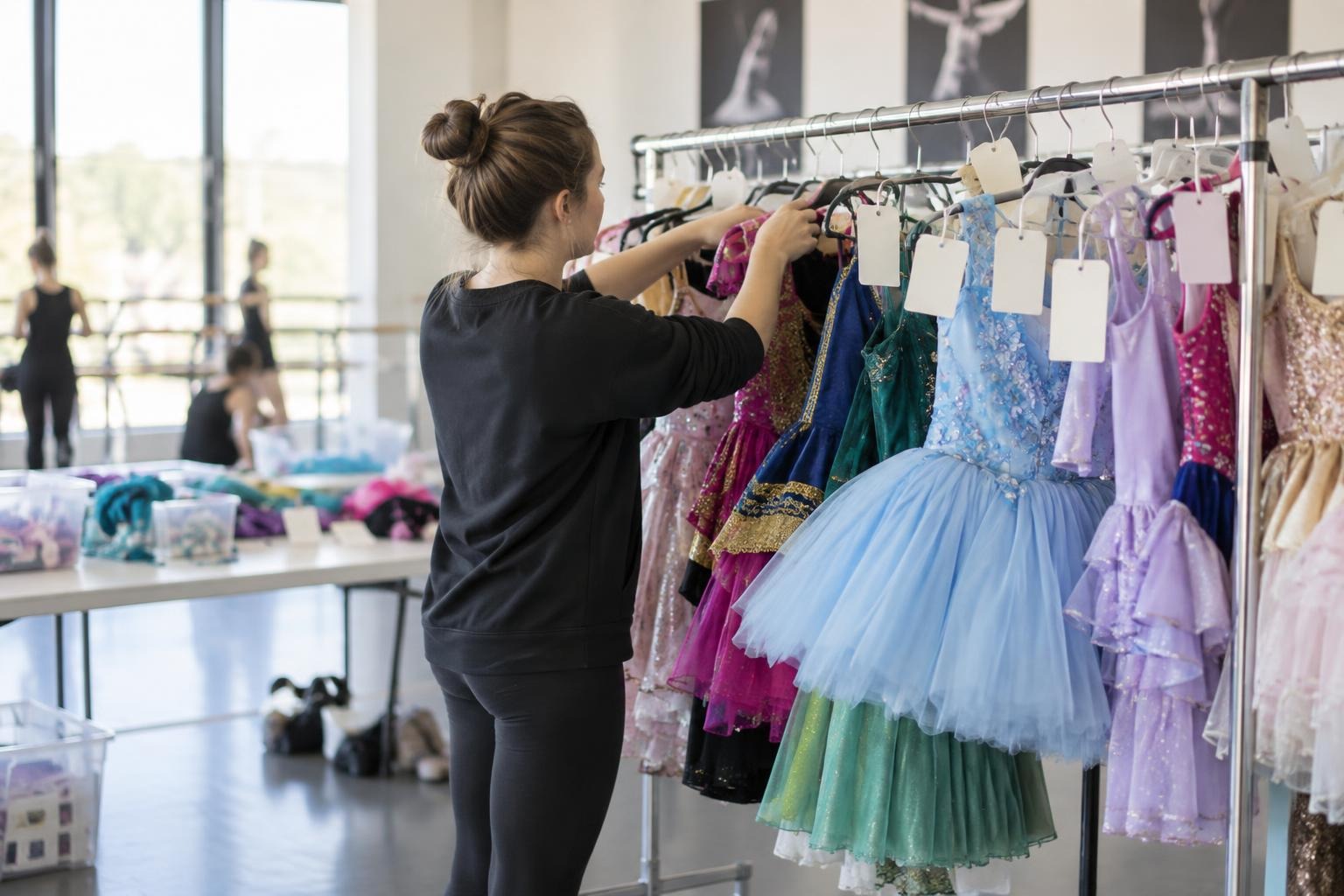
Costume Resale as a Studio Fundraiser
A costume resale fundraiser can give outgrown pieces another dancer and support your studio. Here is a practical plan for inventory, families and payouts.