
Studio fundraising
Costume Resale as a Studio Fundraiser
A costume resale fundraiser can give outgrown pieces another dancer and support your studio. Here is a practical plan for inventory, families and payouts.
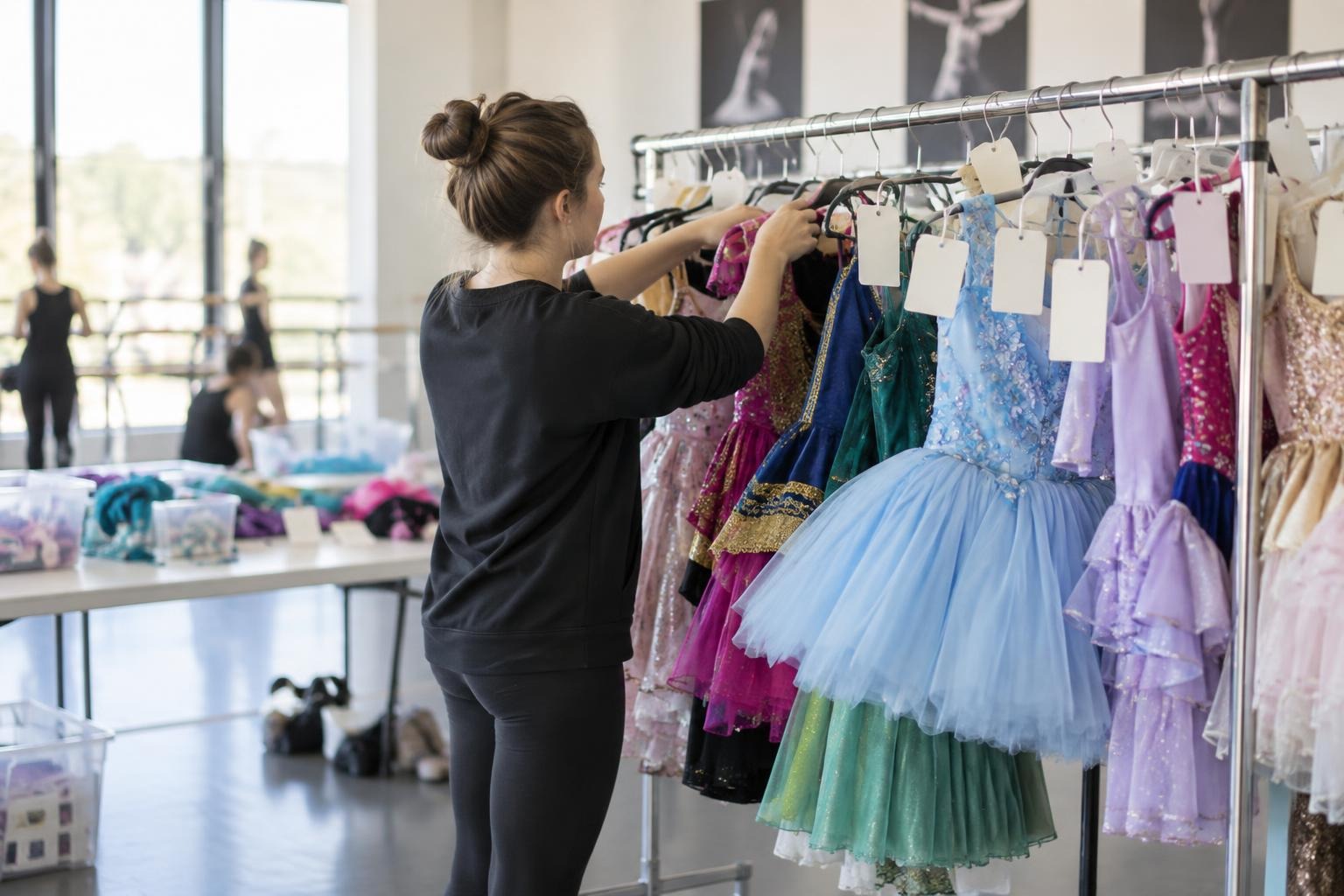
Recital season leaves studios with a familiar problem: costumes that still have useful life, families who need affordable options, and limited storage for garments that no longer fit their original dancers. A resale program can connect those pieces with another family while giving the studio a modest source of support. The program works best when it is presented as a clear service, not a promise of a particular fundraising total. Begin by deciding what the studio will facilitate and what families will handle themselves.
Set a simple purpose and boundary
Choose whether the goal is to help families find pre-loved costumes, reduce studio storage, or support a particular expense. Explain who owns each garment, who sets its price and who answers questions. If the studio accepts items on consignment or collects them centrally, put the terms in writing before accepting anything: intake date, condition standards, permission to photograph, how unsold pieces are returned or donated, and what happens if a costume is damaged. A small, specific pilot is easier to manage than a promise to take every item from every season.
Decide which pieces are appropriate. A complete, clean costume with clear sizing information is easier to pass along than a bag of mixed accessories. Exclude items with safety concerns, major damage or unknown contents. Do not accept garments that belong to a school, theater or another organization without permission. Avoid putting a student’s name, phone number, class schedule or other private detail in the listing photos or description. Keep inventory records limited to the information needed to identify and return an item.
Make preparation predictable
Publish a short intake checklist for families: follow the care label, ensure the piece is dry, gather matching components, photograph the garment and note repairs or stains. If the studio receives items, assign a volunteer to record each costume’s owner, included parts, agreed price and status. Use a removable inventory code rather than writing directly on a garment. Store the pieces in clean garment bags or labeled bins away from moisture, heat and direct sunlight. The purpose is traceability, not creating a large new administrative job.
Set a consistent photo station with a plain backdrop and even light. Capture the whole front and back, tag, fasteners, accessories and flaws. Measure only when a volunteer knows exactly where and how to measure; otherwise include the tag and tell families to compare with clothing that fits. Do not present a size as a guarantee of age or fit. An accurate record helps a later buyer ask fewer questions and reduces avoidable disagreements.
Choose how families will participate
There are two practical models. In a studio-managed sale, the studio receives, lists and ships each item, which centralizes quality and communication but adds labor. In a family-managed marketplace sale, each owner prepares and ships their own costume, while the studio shares a link and explains the opportunity. The second model spreads work among families but requires clear instructions about listings, questions and pickup. Choose one model for the pilot and state it plainly so no one assumes the studio is holding an item that remains at home.
Costumio’s studio program lets a studio share a personal invite link or code with families. The live studio information says families can sell through Costumio and the studio earns 3% of their sales, paid from Costumio’s fee; it does not add a charge to the family’s sale. The site says the referral is remembered for 90 days, and studio earnings are paid monthly to a connected bank account. Read the current studio questions and terms before inviting families, because program details belong to the platform.
Explain the money without overpromising
Show families the current fee rules before they list. Costumio says ordinary listings are free, and its fee is 15% of the item price with a $3 minimum for items below $20. Studio accounts selling their own inventory pay a 12% fee, with the same minimum rule. A studio’s family-sale share is paid by Costumio from its fee. These are the published terms at the time of writing, not a guarantee that every costume will sell or that a studio will receive a specific amount. Invite families to check the current fees page.
Keep separate records for item revenue, platform fees, studio share and any expenses the studio itself takes on. Do not call gross sale proceeds “fundraising profit.” If the studio handles a central sale, decide in advance whether families receive the sale proceeds or donate a stated portion; obtain explicit agreement and make that arrangement easy to understand. If families list independently, do not collect cash or promise a share outside the platform’s documented program.
Run a short pilot, then review it
Start with one category or a small set of costumes and a clear window for listings. Share the link in the studio’s usual family communication, explain what belongs in a listing and name a contact for questions. Avoid sending repeated reminders to families who did not opt in. After the pilot, ask volunteers what took time, which descriptions were missing information and whether storage or shipping caused trouble. Use that feedback to adjust the next intake rather than assuming the first process is permanent.
Offer a safe path for unsold items. Owners may want them returned, donated, kept for studio use or relisted next season. Make the choice explicit and set a date for the decision. Do not discard or donate someone else’s property without permission. A predictable end to the process protects relationships and keeps the project from becoming an indefinite storage commitment.
Fundraiser checklist
- Choose a purpose, a pilot size, an intake window and a clear owner for each costume.
- Share written condition, photo, privacy and unsold-item rules with families.
- Choose family-managed listings or a studio-managed sale and explain who ships.
- Link to current platform fees and studio-program terms; never promise a sale or amount.
- Track the work as well as the money, then revise the process after the pilot.
A well-run resale effort is useful even when its first goal is simply to help costumes find another dancer. If your studio wants to explore family sales, review Costumio’s current studio program and decide whether its workflow fits your community.
More from the blog
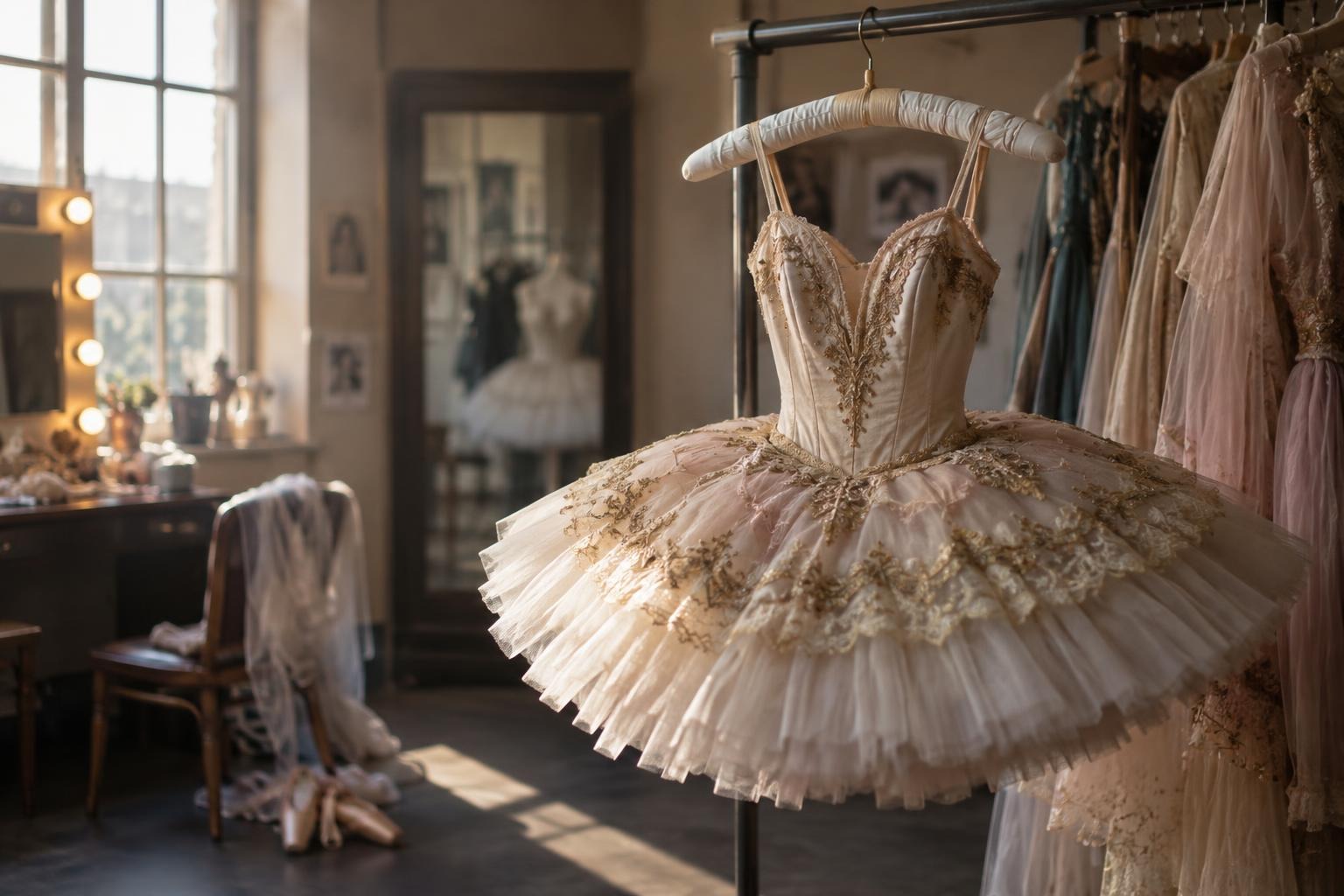
Giving Nutcracker Costumes a Second Life
Before Nutcracker costumes leave storage, sort, inspect and photograph them carefully. This guide helps studios decide what to keep, repair, donate or resell.
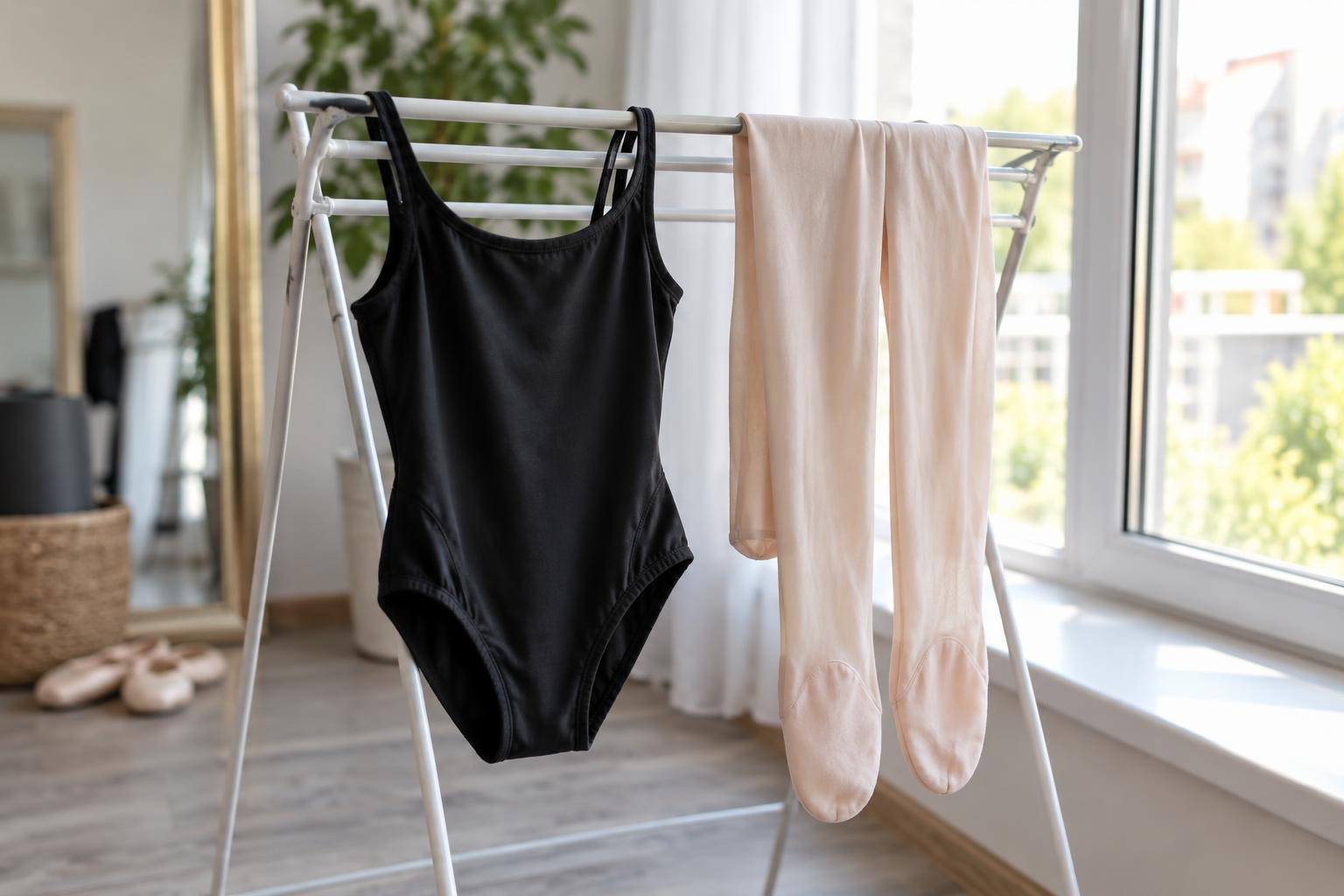
Caring for Leotards and Tights So They Last Longer
Simple care habits can help leotards and tights stay presentable through a busy season. Follow garment labels and adjust washing to fabric and trim.
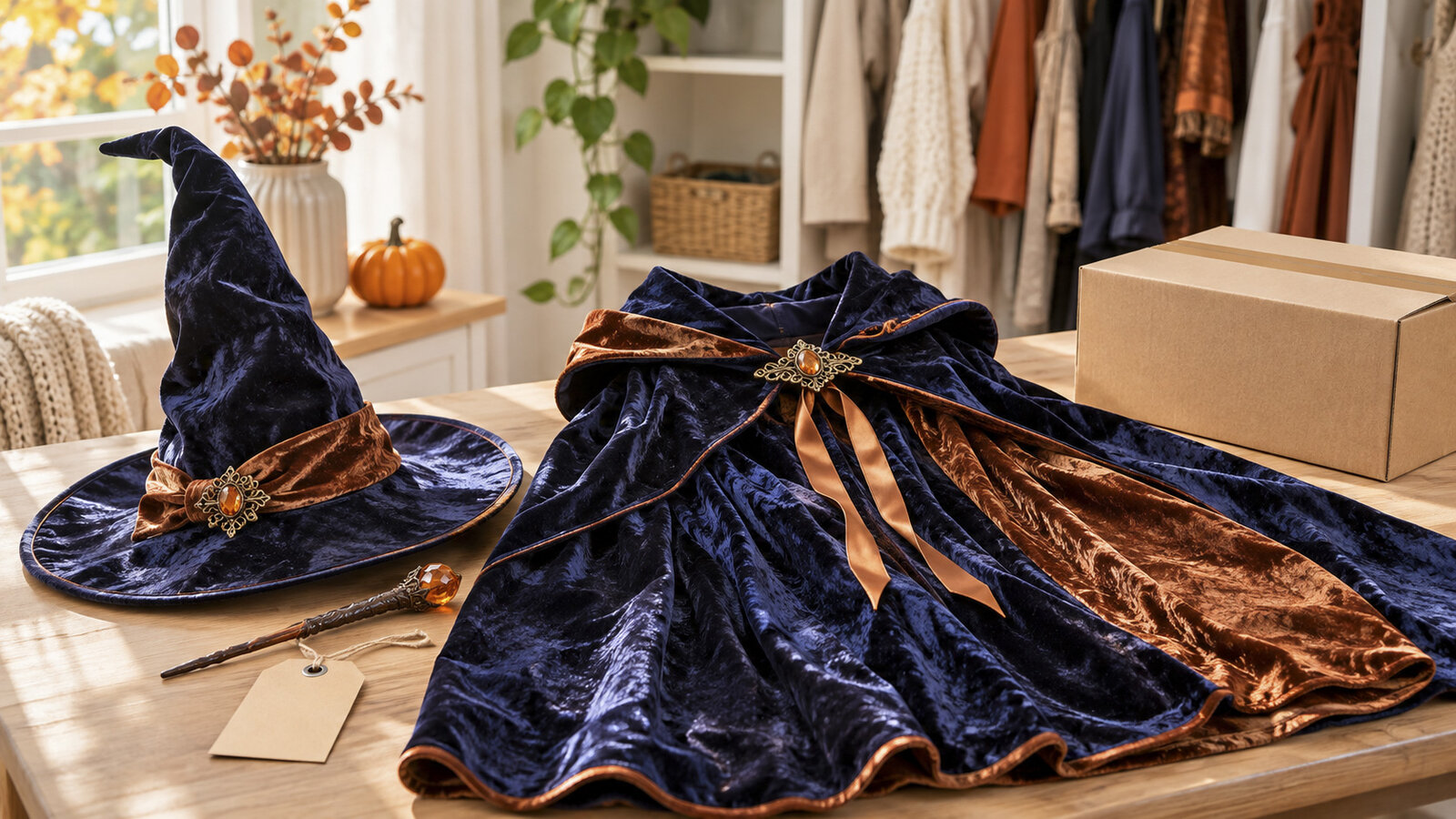
Don't Let Your Halloween Costume Become Closet Clutter: Turn Last Year's Costume into Cash
Every year, millions of Halloween costumes are worn once, tossed into a closet, and forgotten until the next round of seasonal cleaning.