
Selling dancewear
How to Sell Outgrown Recital Costumes: Photos, Pricing and Condition
Good costume listings answer fit, condition and shipping questions before they are asked. Use this photo, pricing and disclosure checklist to sell clearly.
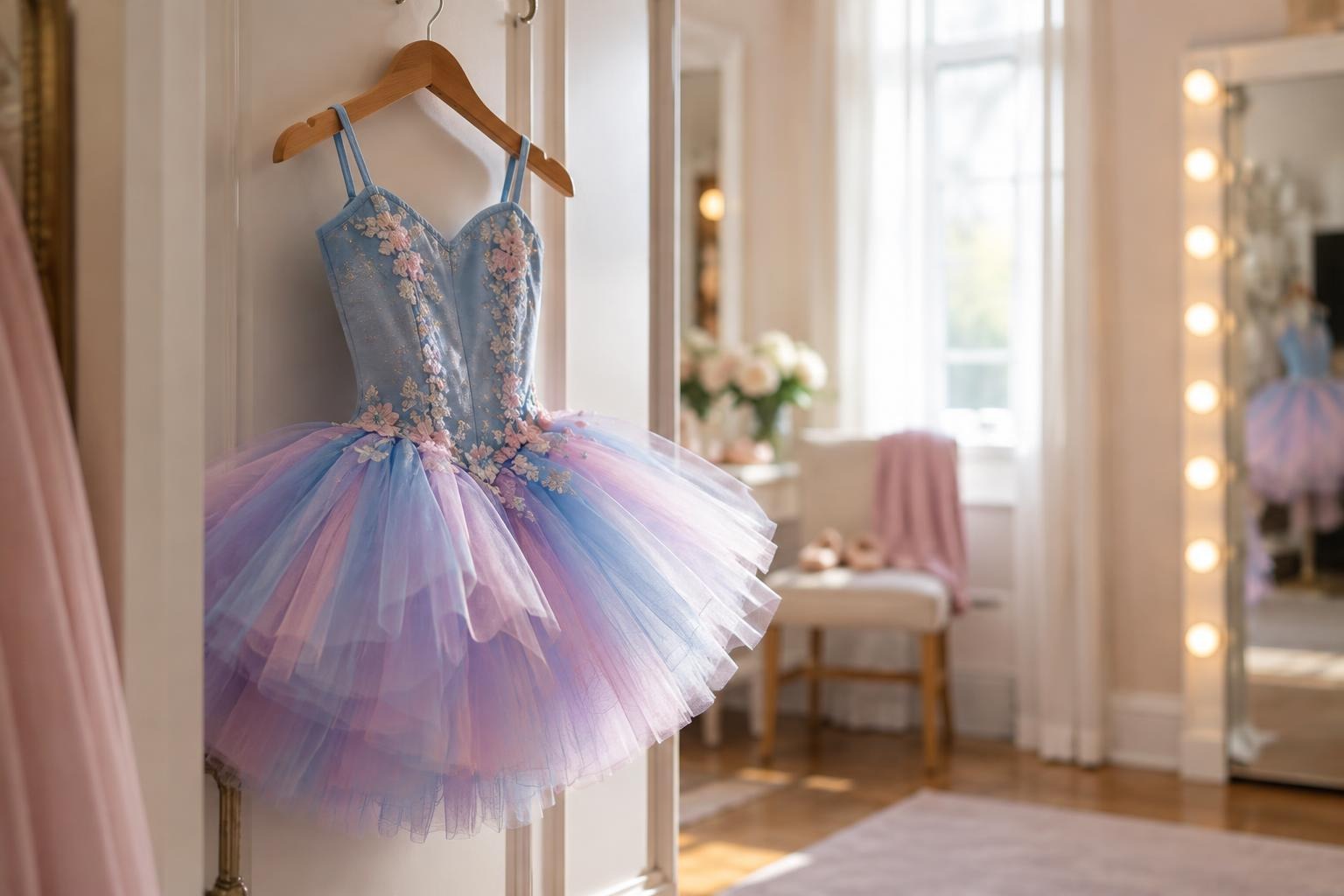
Recital costumes often have a very short season of use: a few performances, photographs and rehearsals, then a garment that no longer fits. Selling one successfully is less about writing persuasive copy and more about reducing uncertainty for the next family. Buyers need to understand the actual garment, its measurements, what is included, how it has been cared for and what shipping will involve. A clear listing can also help the seller decide whether preparing the costume is worth the effort. Start with an honest inventory rather than a guessed value.
Prepare the costume before photographing
Check the care label and follow it. Remove lint gently, fasten loose hooks, and make sure the costume is completely dry before storing or shipping it. Do not make a repair that changes the original design without mentioning it. If the costume has sequins, feathers, trim or delicate fabric, avoid improvised cleaning that might loosen decoration or alter color. Set aside matching accessories, hair pieces or detachable parts, then verify that each item is actually included. If anything is missing, record that now so it does not disappear from the description.
Inspect the underarms, neckline, closures, hems, straps and seams. Look for makeup, deodorant, stage adhesive, pin holes, pulled threads, discoloration and stretched elastic. A quick check under bright, even light often finds issues that are hard to see in a dim storage area. Separate normal signs of use from damage that changes appearance or function. If a stain remains, describe it accurately rather than promising it will wash out. Buyers can make a better decision when the listing acknowledges small flaws instead of leaving them to surprise.
Photograph the item like a buyer would inspect it
Use daylight or a bright neutral lamp and a simple background. Show the complete front and back, then add close views of the neckline, closure, fabric, trim, label and any flaw. Lay the costume flat or hang it so its shape is visible; avoid a pose that hides the waist or straps. Include each accessory in a separate image. Keep the camera at garment height and avoid filters that shift color. A photo of the size tag can help, but do not rely on that tag alone because costumes and dancewear can fit differently by maker and style.
Before uploading, view the images on a phone. Can a parent see the color, silhouette and condition without zooming? Is the image sharp, and does the background distract? Remove unrelated people, studio names and identifying details from the frame. A consistent set of well-lit pictures is more useful than many nearly identical photos. If a detail matters to the sale, photograph it directly instead of expecting a buyer to infer it from a distant full-length shot.
Describe fit without promising an exact result
Enter the marked brand and size when available, and add measurements only if you can take them carefully and label the points used. For example, explain whether a measurement was taken flat across the garment or around the body. Never turn a costume tag into a claim about a child’s age, height or body shape. Dancewear fit depends on cut, stretch, torso length and personal preference. Encourage buyers to compare the information with a garment that currently fits. If the item was altered, state what changed and whether the alteration can be reversed.
List exactly what is included: costume, attached or separate accessories, garment bag, and any other pieces. State whether shoes, tights or headwear are not included. Keep the title specific enough for search, but avoid stuffing it with brands or sizes that do not apply. A short opening sentence can summarize the garment and its condition, followed by practical details in bullets. Buyers should not have to send a message to learn whether the matching belt is part of the package.
Choose a price by researching the item
Search for the same maker, model or a close equivalent, then compare actual condition and included pieces. A costume’s original retail price is background, not proof of current resale value. Demand varies by style and season, and there is no universal percentage that guarantees a sale. Decide the lowest net amount that makes the sale worthwhile, then account for the platform fee and any work required before listing. If the costume is uncommon, clean and complete, describe those advantages factually rather than claiming that it will sell out or become valuable.
Costumio’s current fees page says listing is free and the platform keeps 15% of the item price when it sells, with a $3 minimum on items priced under $20. Shipping is paid by the buyer, and a seller receives a prepaid tracked label. Featured placement is optional and costs an extra $1 only if the item sells. Check the live fees page before setting your price, since platform terms can change. The selling guide explains how orders and shipment fit together.
Pack and communicate thoughtfully
Keep messages polite, answer questions with facts and save the listing details. Once an order is placed, follow the current shipping instructions and send the costume within the stated window. Costumio describes a three-day ship-by period, plus a two-day grace period before an automatic cancellation; consult the live order screen for the exact deadline. Use the supplied label and protect delicate trim so the garment arrives as photographed. Do not include unrelated personal notes, studio rosters or paperwork with identifying information.
After listing, check that the price, photos and description still match the item in storage. If a costume becomes unavailable or you find an undisclosed flaw, update or remove the listing promptly. A seller who explains an issue early saves both sides time. For a complete routine, read the current shipping instructions and buyer-protection information before accepting an order.
Before you publish
- Clean and dry the costume according to its label, without hiding repairs or stains.
- Photograph the full front and back, details, included accessories and each known flaw.
- Enter the maker’s label and useful measurements without promising a universal fit.
- Compare similar items and calculate a net amount after the live platform fee.
- Store the costume safely and be ready to ship it on the platform’s stated schedule.
A little preparation makes an outgrown recital costume easier to assess and more useful to its next dancer. If yours is ready for another performance, consider listing it on Costumio with clear photos and a straightforward description.
More from the blog
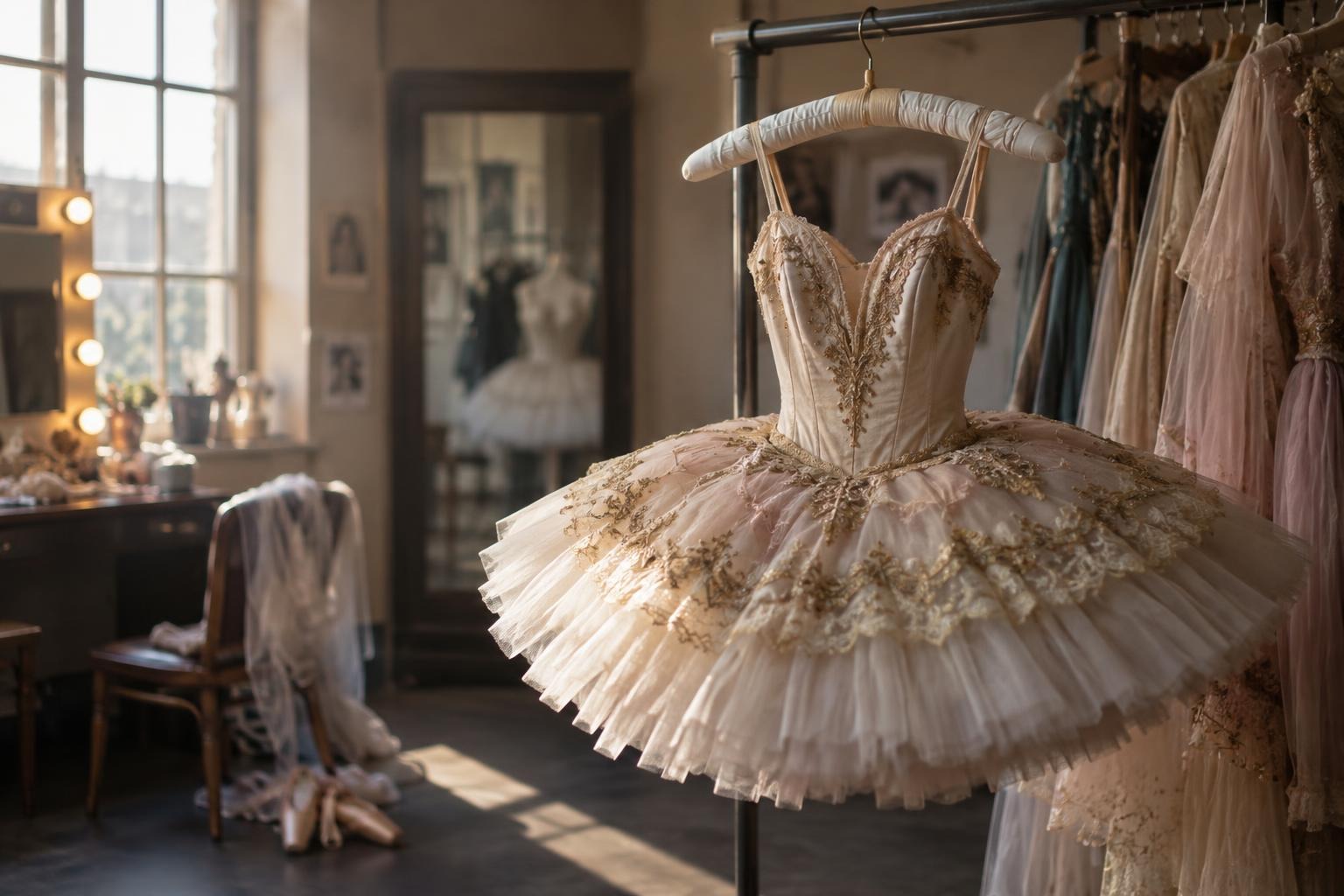
Giving Nutcracker Costumes a Second Life
Before Nutcracker costumes leave storage, sort, inspect and photograph them carefully. This guide helps studios decide what to keep, repair, donate or resell.
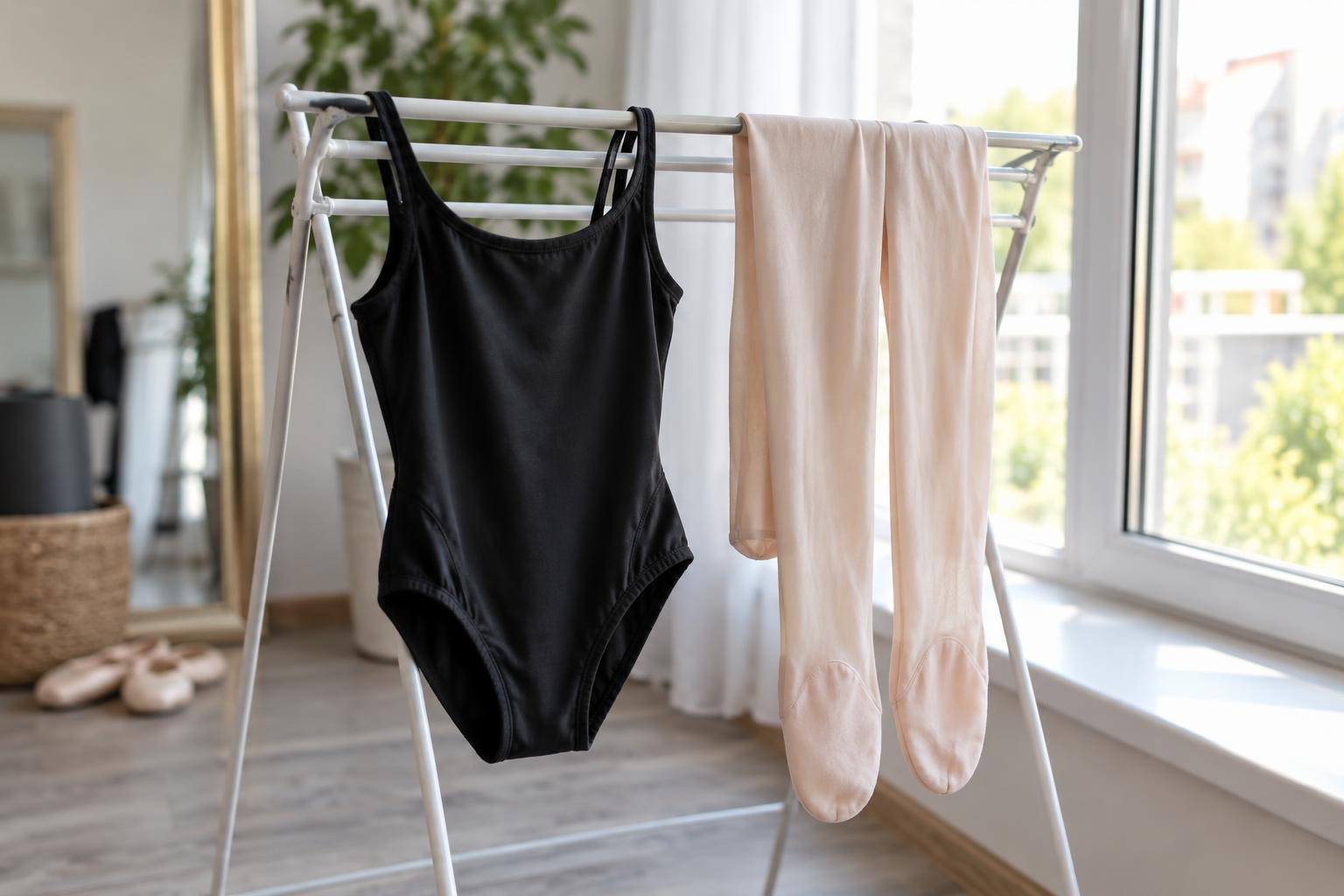
Caring for Leotards and Tights So They Last Longer
Simple care habits can help leotards and tights stay presentable through a busy season. Follow garment labels and adjust washing to fabric and trim.
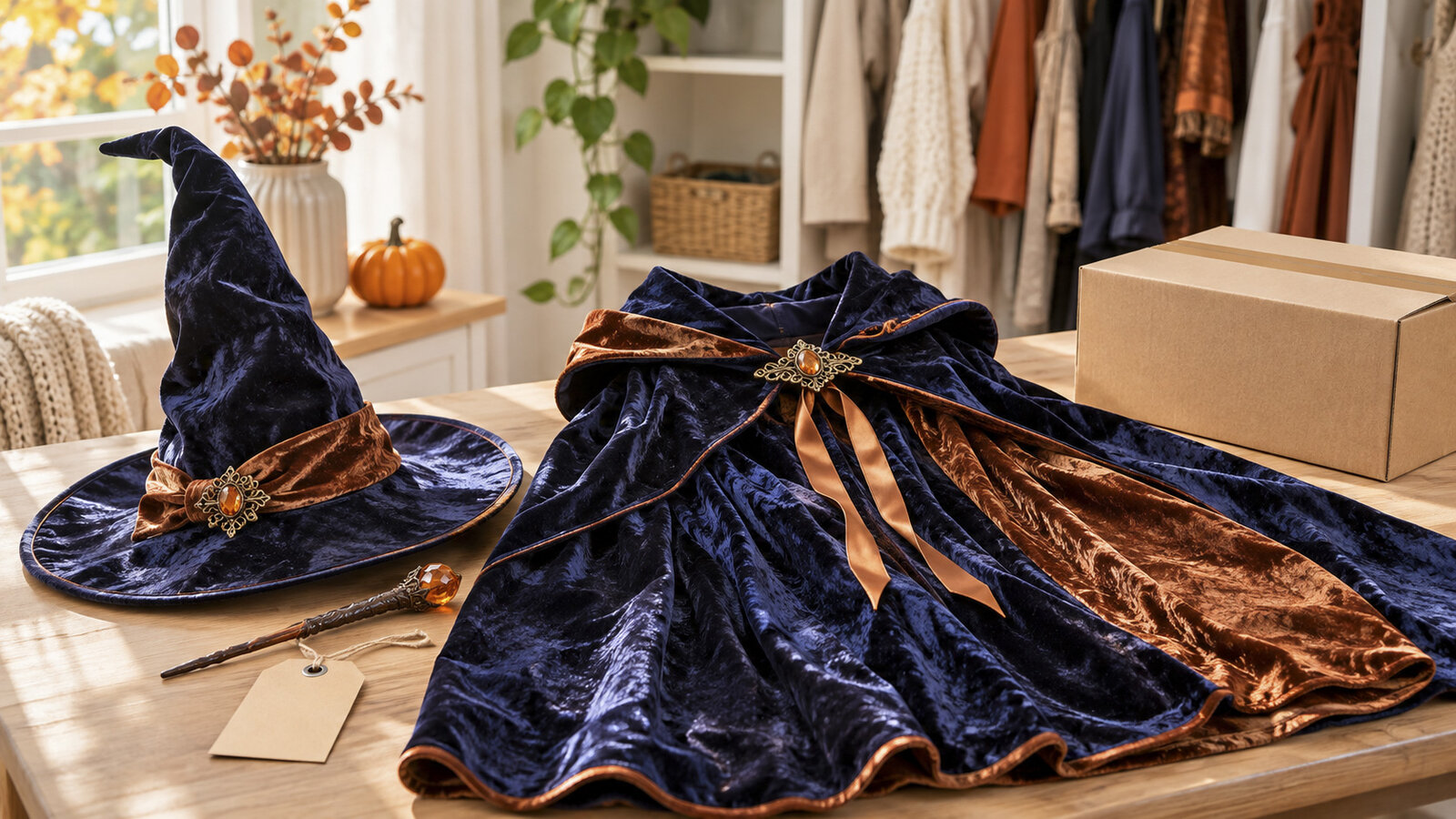
Don't Let Your Halloween Costume Become Closet Clutter: Turn Last Year's Costume into Cash
Every year, millions of Halloween costumes are worn once, tossed into a closet, and forgotten until the next round of seasonal cleaning.