
Pointe shoes
Buying Second-Hand Pointe Shoes: What to Check Before You Buy
A careful pointe-shoe check starts with fit, construction and wear, not a brand label. Use this inspection list before buying a second-hand pair.
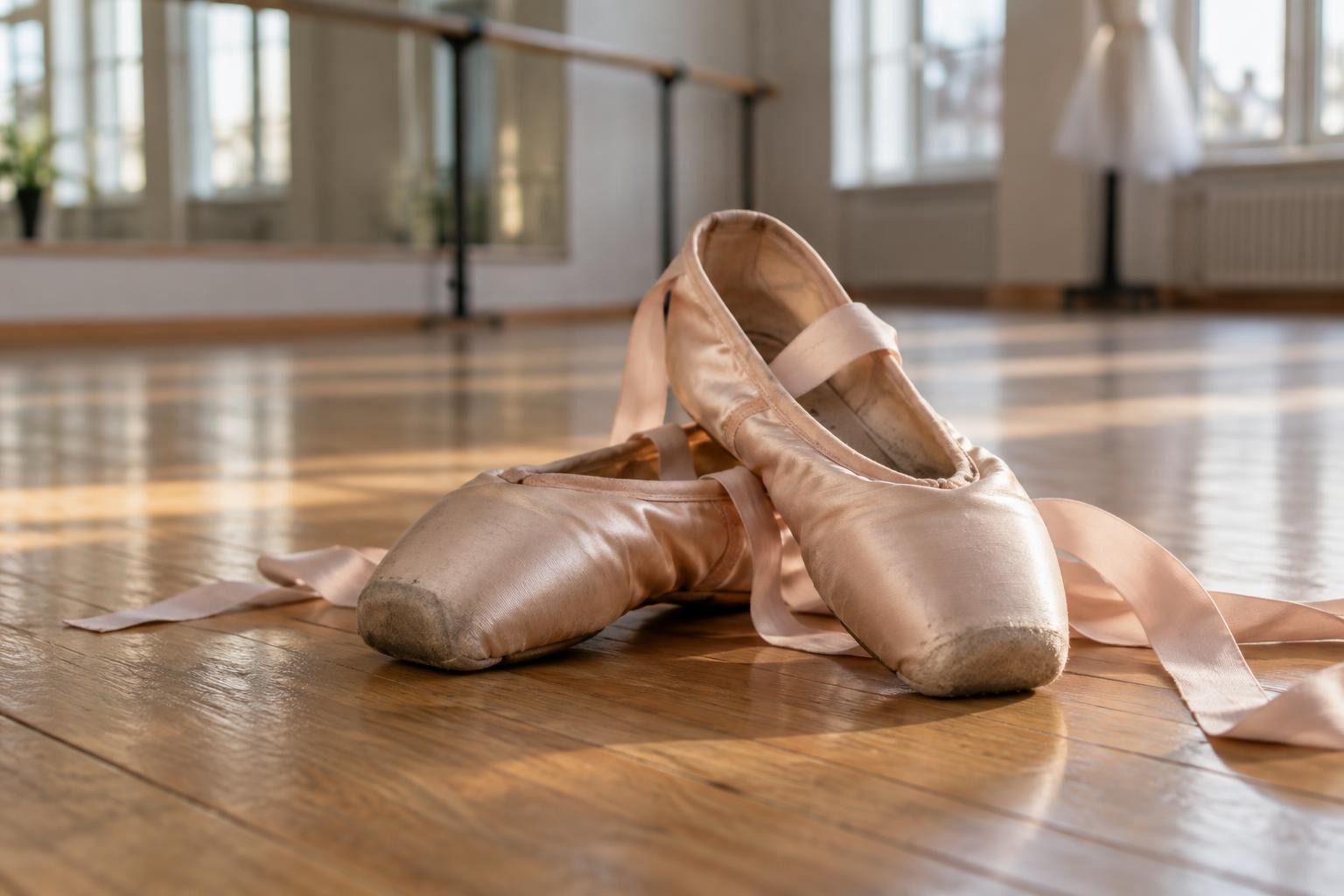
Second-hand pointe shoes can look like a bargain, but a used pair is only useful if it is appropriate for the dancer, still structurally sound and honestly described. Pointe work places unusual demands on the shoe and the foot. A shoe that looks tidy from above may have a softened box, a broken shank or a shape that never suited its next wearer. Treat inspection as a series of questions, not a search for one brand or a promise that a shoe is “barely worn.” Most importantly, have the dancer’s teacher or pointe fitter guide decisions about fit and readiness.
Start with fit, not the label
Pointe shoes are fitted items. Brand, model, width, vamp, heel shape and how a particular dancer uses the shoe all affect the result. A familiar brand name does not prove that the pair is right for another foot. Ask for the model and any marked size or width, but do not translate those markings into a size from another maker. If the dancer has been fitted before, compare the details with the fitting notes and seek a professional fitting when anything is uncertain. A second-hand listing should never replace a teacher’s judgment about whether the dancer is ready for pointe work.
Ask why the seller is parting with the shoes. A dancer may have changed models, grown, or moved to a different fit; those explanations are not guarantees, but they help frame useful follow-up questions. Find out how many rehearsals or classes the shoes were used for, whether they were worn on pointe, and whether they were altered. A careful seller can describe their experience without claiming that every dancer will get the same result.
Inspect the box, platform and shank
The box supports the toes, while the platform is the area that meets the floor. Look for crushed or asymmetrical sides, deep creases, a collapsed platform, separation between materials, and glue that has begun to release. Ask for straight-on pictures of each platform and a side view of each shoe. Compare left and right rather than judging one shoe alone. If a shoe rocks, tilts, or visibly deforms under very gentle handling, stop and ask a qualified fitter to assess it. Do not force a shoe back into shape to make it appear sound.
The shank helps support the arch, but its useful life depends on the dancer and the work. Check for sharp bends, cracks, detached lining and obvious soft spots. A seller’s description such as “still hard” is subjective; ask what the shoe felt like in class and how recently it was worn. Do not try to test strength by standing on an unfamiliar used shoe. A brittle, weakened or poorly matched shank can change how the shoe behaves, and an online photo cannot establish safe support.
Look closely at wear and hygiene
Inspect the satin, drawstring, elastic, ribbons, lining and seams. Small scuffs may be cosmetic; torn fabric, exposed edges or loose stitching can matter more. Ask whether ribbons and elastics are attached, removed or included separately. Used ribbons may be cut to another dancer’s needs, so factor in the work of replacing them. A readable maker’s stamp and clear photos of the inside can help confirm which pair is being offered, but avoid sharing another person’s private information if labels contain it.
Ask how the shoes were dried and stored. Pointe shoes absorb moisture. A musty odor, dampness, staining or signs of poor storage are reasons to decline, not defects to cover with fragrance. Never assume that a household cleaning method will restore a shoe’s hygiene or structure. If a dancer has allergies, sensitive skin or a health concern, the family should discuss the purchase with an appropriate professional. When buying used footwear, be especially cautious about anything that cannot be cleaned safely for that dancer.
Request useful photos and specific answers
A strong listing makes inspection possible. Request one photo of the pair together, each shoe from the side, the platforms, the soles, the heel, the inside and any damaged area. Natural light helps reveal stains and wear. A ruler beside a shoe may show length, but it cannot replace a fitting or explain how the shoe feels in motion. Ask the seller to describe repairs, glue, darned platforms, ribbons and any unusual changes. If answers are vague or the pictures avoid a requested area, it is reasonable to wait for another pair.
Write down what matters before messaging: maker and model, marked size, width if known, approximate use, condition of the box and shank, what is included, and whether the seller will accept a return if the delivered item differs materially from its description. Compare the listing with the seller’s responses. A low price does not remove the need for a safe fit, and a confident description does not substitute for evidence.
Make a calm buying decision
Set a personal limit before browsing. Include shipping and any replacement ribbons or elastic, but do not invent a future resale value. If the shoes do not match the dancer’s fitting advice, if construction is compromised, or if the seller cannot answer basic questions, pass. A well-fitting new pair is a better choice than a used pair that creates pressure to make it work. If the shoes do appear suitable, arrange for the dancer’s teacher or fitter to check them before class use.
When buying through Costumio, read the current buyer and shipping process before checkout. The platform describes secure payment, a prepaid tracked label for sellers and a period after delivery for buyers to report a problem. Review the live fee information and returns and buyer-protection terms so you understand the current process. Keep the listing and your messages until the package arrives, then compare the actual shoes with the description and photos.
Use a short decision checklist
- The dancer’s teacher or fitter agrees the model and fit are worth considering.
- Photos show both shoes, platforms, sides, soles, interiors and disclosed wear.
- The seller explains use, alterations, storage and what is included.
- The box and shank show no obvious collapse, separation or damage.
- The price still makes sense after shipping and any needed replacement pieces.
Second-hand pointe shoes are a specialized purchase, not a shortcut around fitting. Ask for clear evidence, take uncertainty seriously and let the dancer’s qualified support team make the final call. If you find a suitable pair, Costumio is one place to browse pre-loved dancewear while keeping the listing details close at hand.
More from the blog
Giving Nutcracker Costumes a Second Life
Before Nutcracker costumes leave storage, sort, inspect and photograph them carefully. This guide helps studios decide what to keep, repair, donate or resell.
Caring for Leotards and Tights So They Last Longer
Simple care habits can help leotards and tights stay presentable through a busy season. Follow garment labels and adjust washing to fabric and trim.
Don't Let Your Halloween Costume Become Closet Clutter: Turn Last Year's Costume into Cash
Every year, millions of Halloween costumes are worn once, tossed into a closet, and forgotten until the next round of seasonal cleaning.